Climate region · Australian Subtropical
Subtropical Australian landscaping for Sydney, Brisbane and coastal QLD.
Create lush, humidity-proof outdoor living spaces with lilly pilly privacy screens, bottlebrush, bird's nest fern and native mat-rush priced in AUD and sized in m².
- Zone 11a
- Brisbane, QLD (4000) (4 to 7 °C)
- 900–1800 mm / yr, summer-weighted
- typical annual rainfall
- 7 native
- 12 adapted in catalog
- Metric · AUD
- Southern Hemisphere
Plan an Australian Subtropical garden
Pre-configured for Brisbane, QLD (4000) in metric (m²) units and AUD, with Southern Hemisphere seasons. Enter your own city, ZIP or postcode below to customize for your exact address.
1 · Pick a yard
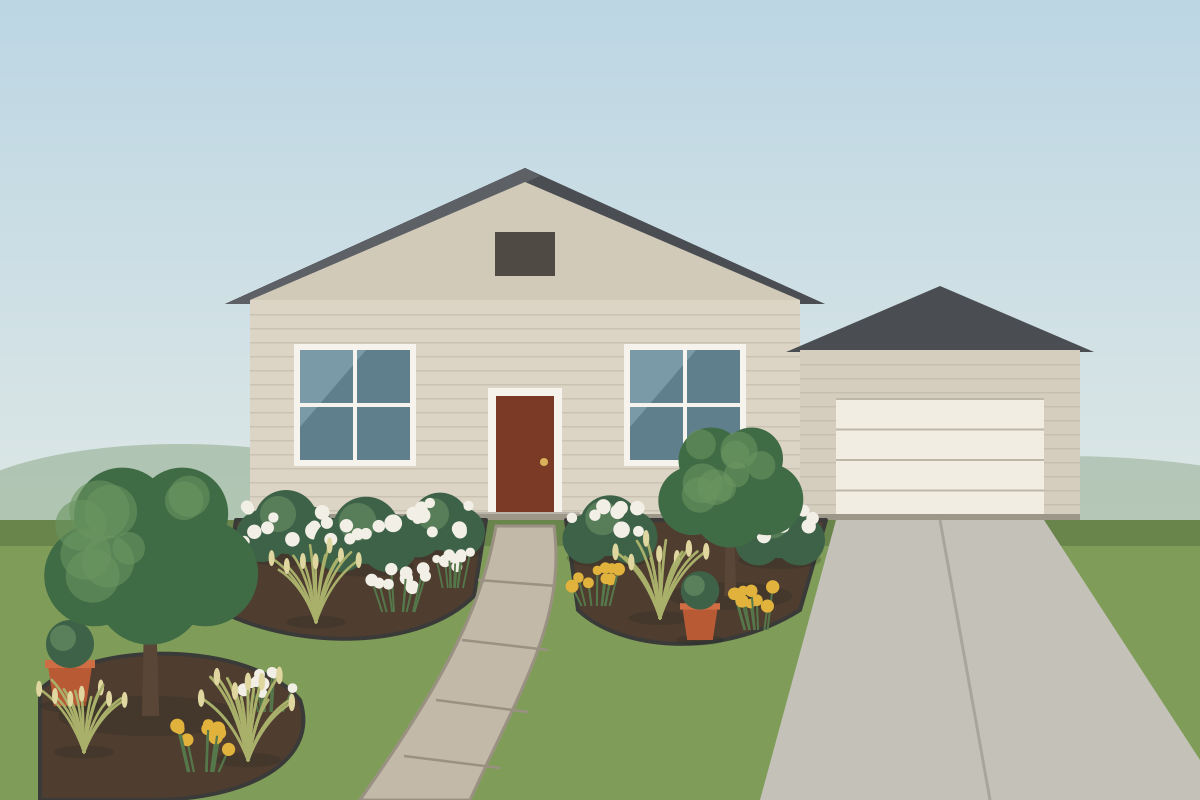
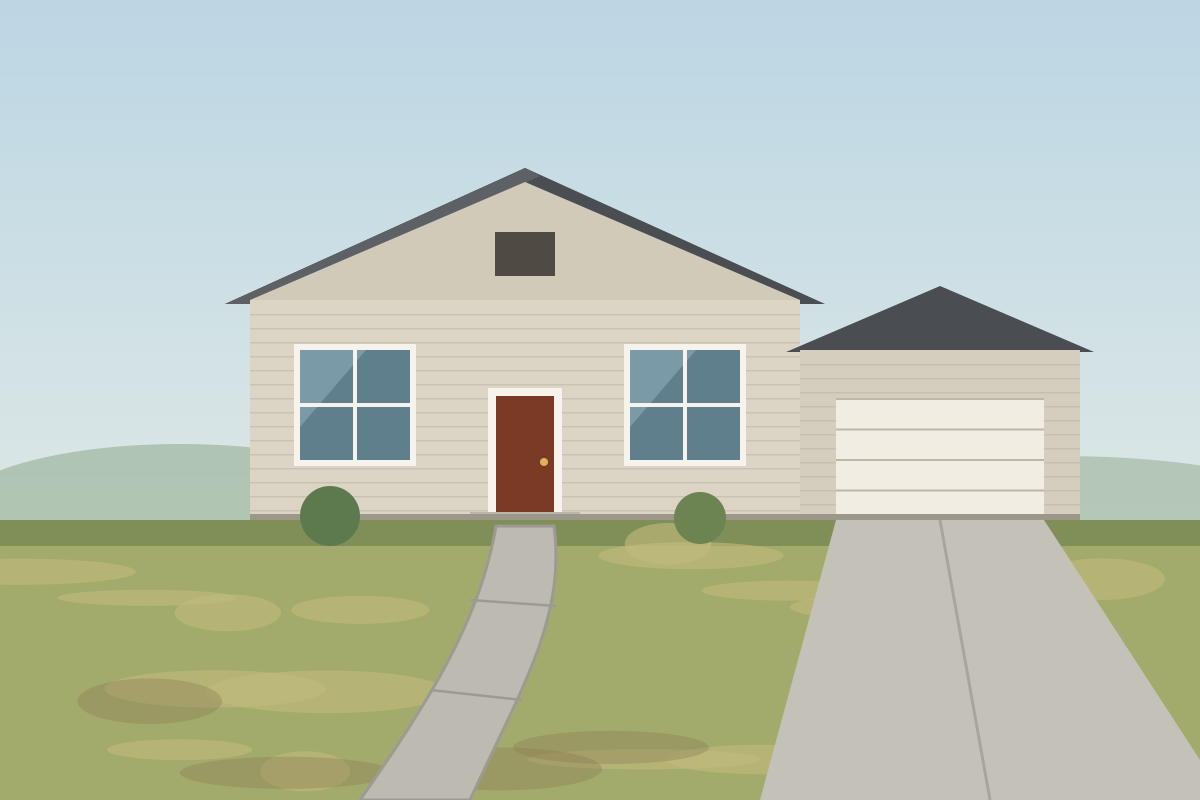 OriginalEntertaining Patio concept
Checking today's free renders…
2 · Tune the design
Units
USDA Zone 11a · Australian Subtropical4000, Brisbane QLD, Australia · winter low 4 to 7 °C
Area
Design style
Generous paving, screening, and planting at the edges.
Sun exposure
Landscape plan & nursery list
Entertaining Patio Backyard Plan
USDA Zone 11a · Australian Subtropical · 4000, Brisbane QLD, Australia · 111.5 m² · Full Sun
- Plants
- 38
- Planting beds
- 25 m²
- DIY total
- A$5,431
- Landscaper
- A$15,208
Trees
A$198
Pygmy Date Palm
Phoenix roebelenii
- Zone
- 10–12
- Size
- 10 × 7 ft
- Bloom
- Cream plumes; graceful fronds
- Water
- Low water
Regionally adaptedPet-safeDrought-tolerantDeer-resistant1 × 15 gal
A$198 each
A$198
Shrubs
A$426
Slim Bottlebrush
Callistemon viminalis 'Slim'
- Zone
- 9–11
- Size
- 9 × 4 ft
- Bloom
- Crimson brushes, spring & autumn
- Water
- Moderate water
Native to your regionPet-safeDrought-tolerantDeer-resistant7 × 3 gal
A$49 each
A$340
Coast Rosemary
Westringia fruticosa
- Zone
- 9–11
- Size
- 5 × 5 ft
- Bloom
- White, year-round
- Water
- Low water
Native to your regionPet-safeDrought-tolerantDeer-resistant2 × 3 gal
A$43 each
A$85
Perennials
A$290
Kangaroo Paw
Anigozanthos 'Bush Gems'
- Zone
- 9–11
- Size
- 3 × 2 ft
- Bloom
- Red, yellow, orange, September–March (SH)
- Water
- Low water
Native to your regionPet-safeDrought-tolerantDeer-resistant5 × 1 gal
A$27 each
A$137
Egyptian Starcluster
Pentas lanceolata
- Zone
- 10–12
- Size
- 2.5 × 2 ft
- Bloom
- Ruby & pink star clusters, year-round
- Water
- Low water
Regionally adaptedPet-safeDrought-tolerant5 × 1 gal
A$23 each
A$114
Bougainvillea
Bougainvillea glabra
- Zone
- 9–11
- Size
- 15 × 10 ft
- Bloom
- Magenta bracts, year-round
- Water
- Low water
Regionally adaptedPet cautionDrought-tolerantDeer-resistant1 × 1 gal
A$40 each
A$40
Ornamental grasses
A$292
Lomandra Tanika
Lomandra longifolia 'Tanika'
- Zone
- 8–12
- Size
- 2.5 × 2.5 ft
- Bloom
- Fine green blades
- Water
- Low water
Native to your regionPet-safeDrought-tolerantDeer-resistant7 × 1 gal
A$24 each
A$170
Vetiver Grass
Chrysopogon zizanioides
- Zone
- 9–12
- Size
- 5 × 3 ft
- Bloom
- Upright fragrant clumps
- Water
- Low water
Regionally adaptedPet-safeDrought-tolerantDeer-resistant5 × 1 gal
A$24 each
A$122
Groundcovers
A$76
Perennial Peanut
Arachis glabrata
- Zone
- 9–12
- Size
- 8 in × 3 ft
- Bloom
- Golden blooms, year-round
- Water
- Low water
Regionally adaptedPet-safeDrought-tolerant5 × quart
A$15 each
A$76
DIY vs. landscaper
| Item | DIY | Pro |
|---|---|---|
| Plants38 plants across 9 species | A$1,281 | A$1,666 |
| Soil & compost1.3 m³ at 5 cm deep | A$108 | A$202 |
| Mulch1.9 m³ shredded hardwood mulch | A$144 | A$324 |
| Edging22.9 linear m steel edging | A$371 | A$856 |
| Pavers & hardscape26.8 m² paver patio on compacted base | A$3,283 | A$9,193 |
| LaborDIY: about 86 hours of your time | A$0 | A$1,338 |
| Delivery & tool rentalBulk delivery plus plate compactor | A$243 | A$0 |
| Design & overhead12% contractor overhead | A$0 | A$1,629 |
| Total | A$5,431 | A$15,208 |
Doing it yourself saves about A$9,777 for roughly 86 hours of work.
Planting notes
- Best planting window for Zone 11a: start of the rainy season, or any time with irrigation. Typical last spring frost Frost-free; first autumn frost Frost-free.
- Australian Subtropical: Warm humid summers and mild winters across Brisbane and coastal Queensland. Expect 900–1800 mm / yr, summer-weighted.
- Work 5 cm of compost into the top 15 cm of soil, then mulch 8 cm deep, keeping it off stems and trunks.
- Water deeply twice a week for the first 8 weeks, weekly through the first summer, then taper. Established natives need supplemental water only in drought.
Year-round interest calendar
Southern Hemisphere · 9 species · 38 plants
Lawn-replacement water & cost savings
vs. irrigated turfgrass
- Water saved / yr
- 49,384 L
- Water bill saved / yr
- A$149
- Share of turf irrigation cut
- 42%
(13,046 gal)
at local average water rates
Planning estimate — confirm with your utility.
Curious how another style compares? See a side-by-side water & cost readout.
Zone estimated from your ZIP, postal code or city using the 2023 USDA map and equivalents. Plants marked pet-safe are not listed as toxic by the ASPCA and are recognized as non-toxic to dogs and cats; “pet caution” means unlisted or mildly irritating. Prices shown in AUD are converted from mid-range US estimates — confirm stock and pricing with your nursery. Water-savings figures are climate-adjusted planning estimates benchmarked against a thirsty cool-season lawn; confirm current rates with your utility.
Southern Hemisphere planting & bloom calendar
Seasonal timing for Australian Subtropical
Major metros in this region include Brisbane, Sydney, Gold Coast, Sunshine Coast, Byron Bay and Newcastle. Plant in autumn (March–May) or early spring (August–October) to dodge peak mid-summer storms and heatwaves. Ensure raised drainage in clay pockets.
- Best planting window
- Start of the rainy season, or any time with irrigation
- Typical last spring frost
- Frost-free
- Typical first autumn frost
- Frost-free
- Growing season
- 365 days
Regional 12-month bloom & evergreen calendar (Southern Hemisphere)
Across 19 native & adapted catalog species
Regional plant catalog
Native & adapted plants for Australian Subtropical
All 19 regional picks (7 native, 12 adapted) from YardCraft's 186-plant catalog, with Southern Hemisphere peak bloom windows.
Trees (3)
Pygmy Date Palm
AdaptedPhoenix roebelenii
Zone 10–12 · 10 × 7 ft · Low water
Evergreen year-round · Drought-tolerant · Pet-safe
Areca Palm
AdaptedDypsis lutescens
Zone 10–12 · 25 × 10 ft · Moderate water
Evergreen year-round · Pet-safe
Jacaranda
AdaptedJacaranda mimosifolia
Zone 10–11 · 35 × 35 ft · Moderate water
Peak Oct–Dec
Shrubs (7)
Coast Rosemary
NativeWestringia fruticosa
Zone 9–11 · 5 × 5 ft · Low water
Year-round interest · Drought-tolerant · Pet-safe
Moonlight Grevillea
NativeGrevillea 'Moonlight'
Zone 9–11 · 8 × 8 ft · Low water
Year-round interest · Drought-tolerant
Slim Bottlebrush
NativeCallistemon viminalis 'Slim'
Zone 9–11 · 9 × 4 ft · Moderate water
Peak Mar–Nov · Drought-tolerant · Pet-safe
Ponytail Palm
AdaptedBeaucarnea recurvata
Zone 9–12 · 10 × 6 ft · Low water
Evergreen year-round · Drought-tolerant · Pet-safe
Arabian Jasmine
AdaptedJasminum sambac
Zone 10–12 · 5 × 4 ft · Moderate water
Year-round interest · Pet-safe
Jungle Flame Ixora
AdaptedIxora coccinea
Zone 10–12 · 4 × 4 ft · Moderate water
Year-round interest · Pet-safe
Princess Flower
AdaptedTibouchina urvilleana
Zone 9–11 · 8 × 6 ft · Moderate water
Peak Jan–Dec
Perennials (6)
Dianella Little Jess
NativeDianella caerulea 'Little Jess'
Zone 8–11 · 1.5 × 1.5 ft · Low water
Peak Jan–Dec · Drought-tolerant
Kangaroo Paw
NativeAnigozanthos 'Bush Gems'
Zone 9–11 · 3 × 2 ft · Low water
Peak Jan–Dec · Drought-tolerant · Pet-safe
Bird's Nest Fern
NativeAsplenium nidus
Zone 10–12 · 3 × 3 ft · Moderate water
Evergreen year-round · Pet-safe
Bougainvillea
AdaptedBougainvillea glabra
Zone 9–11 · 15 × 10 ft · Low water
Year-round interest · Drought-tolerant
Cape Plumbago
AdaptedPlumbago auriculata
Zone 9–11 · 6 × 8 ft · Low water
Year-round interest · Drought-tolerant
Egyptian Starcluster
AdaptedPentas lanceolata
Zone 10–12 · 2.5 × 2 ft · Low water
Year-round interest · Drought-tolerant · Pet-safe
Ornamental grasses (2)
Lomandra Tanika
NativeLomandra longifolia 'Tanika'
Zone 8–12 · 2.5 × 2.5 ft · Low water
Evergreen year-round · Drought-tolerant · Pet-safe
Vetiver Grass
AdaptedChrysopogon zizanioides
Zone 9–12 · 5 × 3 ft · Low water
Evergreen year-round · Drought-tolerant · Pet-safe
Groundcovers (1)
Perennial Peanut
AdaptedArachis glabrata
Zone 9–12 · 8 in × 3 ft · Low water
Year-round interest · Drought-tolerant · Pet-safe
Soil, climate & style match
Designing for Australian Subtropical
Warm humid summers with heavy storm rainfall (900–1800 mm/yr) and mild frost-free winters that allow year-round outdoor entertaining and rapid plant establishment.
Best landscape styles for this region
Regional playbook
Local planting & care checklist
- 01Choose psyllid-resistant lilly pilly selections and native screens for clean, fast backyard privacy.
- 02Keep mulch 5 cm away from woody stems during humid summer wet seasons to prevent collar rot.
- 03Prune fast-growing subtropical shrubs in late winter or early spring to preserve air circulation.
- 04Pair permeable paving with deep-rooted native grasses to absorb intense summer cloudbursts.
Questions
Australian Subtropical landscaping FAQ
What native plants grow best in Australian Subtropical?
Top regional picks in YardCraft's catalog for Australian Subtropical include Coast Rosemary, Dianella Little Jess, Kangaroo Paw, Lomandra Tanika. In total, the catalog tracks 7 native and 12 adapted species for this region—enter your exact city or postal code in the studio to filter by sun exposure, drought tolerance and pet safety.
When is the best time to plant in Australian Subtropical?
For a representative Australian Subtropical location like Brisbane, QLD (4000) (Zone 11a, Southern Hemisphere), the best planting window is start of the rainy season, or any time with irrigation. Plant in autumn (March–May) or early spring (August–October) to dodge peak mid-summer storms and heatwaves. Ensure raised drainage in clay pockets.
What rainfall and winter temperatures should I plan for in Australian Subtropical?
Australian Subtropical receives roughly 900–1800 mm / yr, summer-weighted. Around Brisbane, QLD (4000), average annual minimum temperatures fall in the 4 to 7 °C band. Warm humid summers and mild winters across Brisbane and coastal Queensland.
When is peak bloom season in Australian Subtropical?
Adjusted for the Southern Hemisphere calendar, the heaviest flowering months across YardCraft's Australian Subtropical plant palette fall around January, February, December, supported by evergreen shrubs and grasses that hold structure through the rest of the year.