Skip to content
YardCraftOpen studio

Drought-tolerant landscaping & xeriscape design

Drought-tolerant landscaping that cuts outdoor water use dramatically.

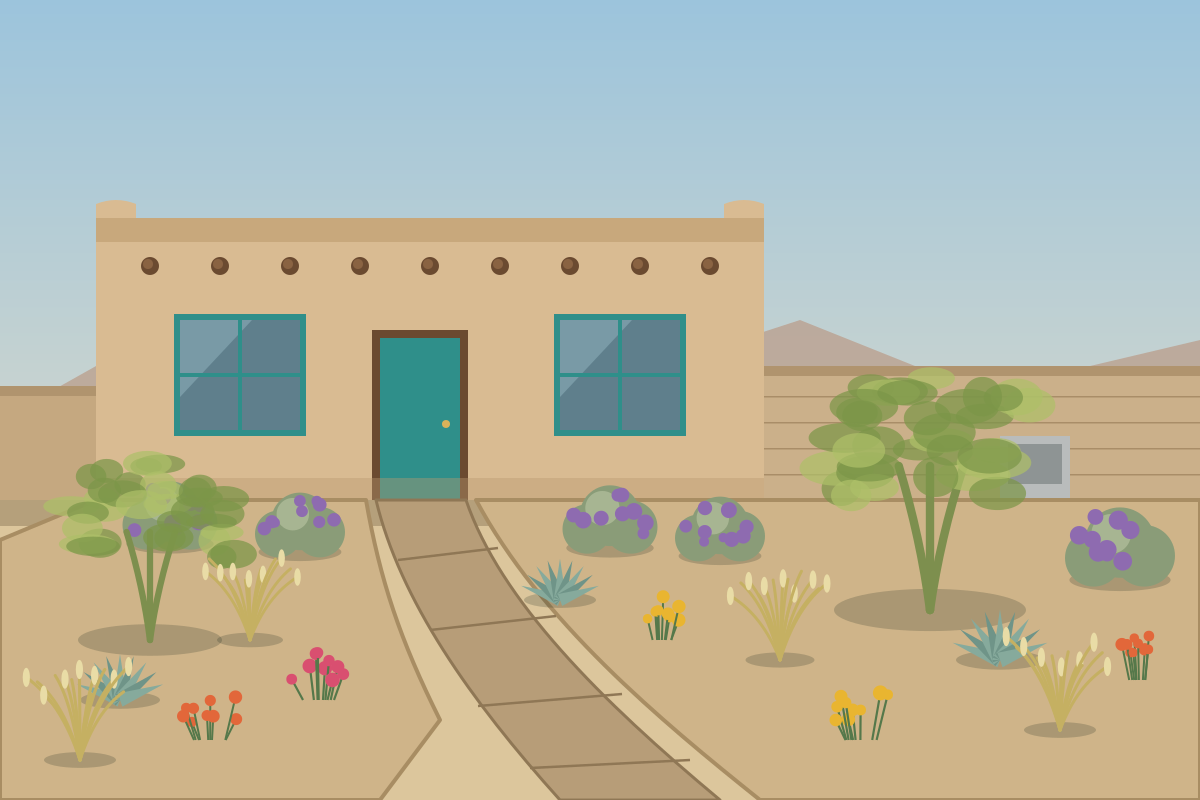
Replace irrigated lawn with low-water natives, decomposed granite and stone paths matched to your climate. Pre-configured with Xeriscape style and the drought-tolerant filter active.

115
drought-tolerant catalog plants
9,447 gal/yr
saved on 900 sq ft
~40%
irrigation cut vs. turfgrass
$71/yr
est. annual water savings

Design your low-water landscape

The studio is pre-set to Low-Water Xeriscape with the drought-tolerant filter switched on. Enter your own ZIP code or city to swap in cold-hardy or coastal drought-tolerant natives for your exact climate.

1 · Pick a yard

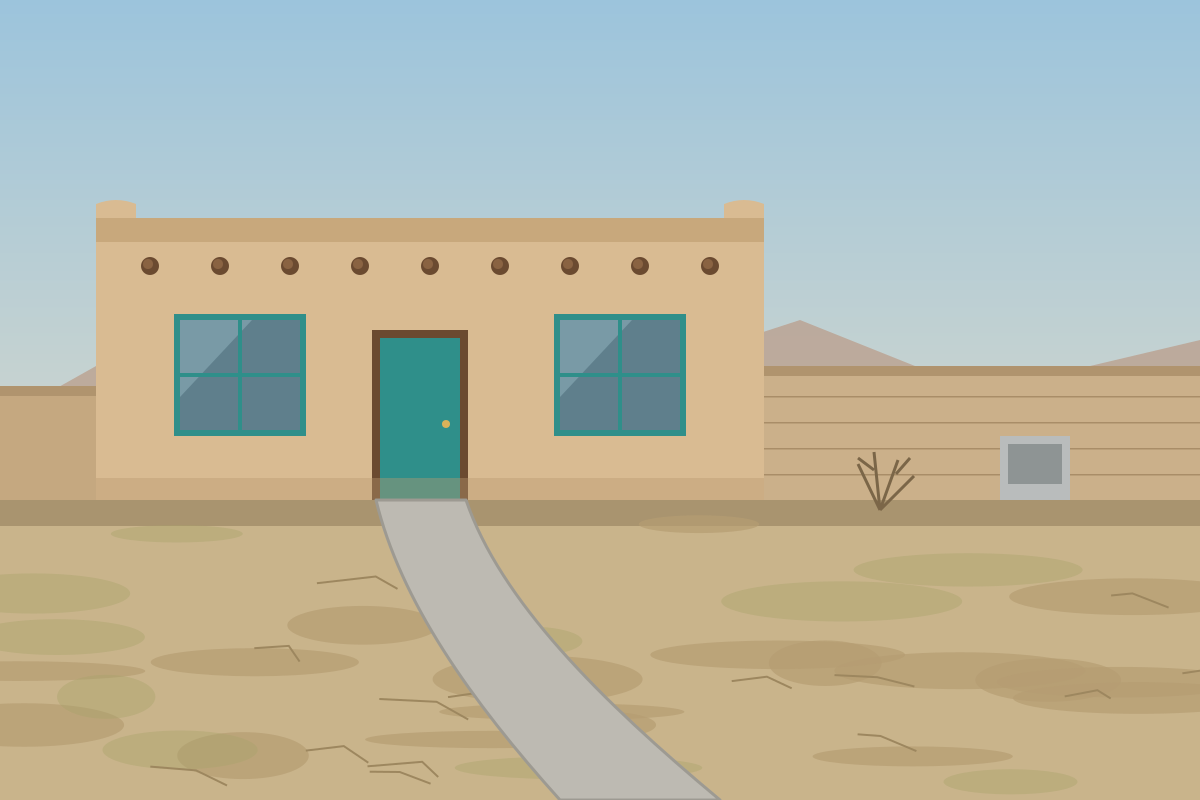
Dry Southwest Side Yard — redesignDry Southwest Side Yard — originalOriginalLow-Water Xeriscape concept

Checking today's free renders…

2 · Tune the design

Units

9b

USDA Zone 9b · Southwest AridZIP 85718, AZ, USA · winter low 25 to 30 °F

Area

Design style

Gravel mulch, boulders, and plants that live on rainfall.

Sun exposure

Plant filters

Water-savings comparison

Compare low-water styles side by side

Computed for a 900 sq ft full-sun front yard (Zone 9b) against an irrigated turfgrass baseline of 26 gal / sq ft / yr.

StylePlantsWater saved / yrEst. bill savingsDIY budgetPro budget
Low-Water Xeriscape639,447 gal$71/yr$2,168$5,347
Mediterranean568,203 gal$62/yr$2,216$5,473
Pollinator Meadow9610,068 gal$76/yr$2,485$6,035

01

Real gallon & water-bill math

Irrigated cool-season turf uses roughly 26 gallons per square foot each year. YardCraft weighs every plant in your plan by its water class (low, medium or high) alongside zero-water flagstone hardscape to show annual gallons or liters saved.

02

Not just for desert states

Drought-tolerant landscaping works from Zone 4 prairie towns to Zone 10 coastal California and Perth. Enter any ZIP code or city and the planner selects locally hardy low-water shrubs, grasses and perennials—never fragile desert plants in freezing soil.

03

Built for turf-removal rebates

Most municipal turf-replacement rebates require 50% living plant cover at maturity, permeable mulch (no plastic sheeting) and an itemized plant list. YardCraft's printable plan exports species, quantities, spacing and decomposed granite volumes ready for review.

Low-water plant catalog

Top drought-tolerant plants across all five layers

Low-water species ranked by native breadth. Enter your exact ZIP code in the studio above to filter for your winter hardiness zone.

Trees

  • Pygmy Date Palm

    Phoenix roebelenii

    Zone 10–12 · 10 × 7 ft · Low water

    Cream plumes; graceful fronds · Drought-tolerant · Pet-safe

    Native to Tropical & Subtropical Asia

  • Natchez Crape Myrtle

    Lagerstroemia 'Natchez'

    Zone 7–10 · 20 × 15 ft · Low water

    White, June–September · Drought-tolerant · Pet-safe

    Native to East Asian Temperate, East Asian Subtropical

  • Bur Oak

    Quercus macrocarpa

    Zone 2–8 · 70 × 70 ft · Low water

    Insignificant · Drought-tolerant

    Native to Midwest Continental, Northeast Cold, Mountain West

  • Strawberry Tree

    Arbutus unedo

    Zone 8–10 · 20 × 15 ft · Low water

    White bells; red fruit · Drought-tolerant

    Native to Mediterranean Europe

Shrubs

  • Ponytail Palm

    Beaucarnea recurvata

    Zone 9–12 · 10 × 6 ft · Low water

    Sculptural caudex & cascading leaves · Drought-tolerant · Pet-safe

    Native to Latin America Tropical & Subtropical

  • Dwarf Mugo Pine

    Pinus mugo 'Pumilio'

    Zone 2–7 · 4 × 6 ft · Low water

    Evergreen · Drought-tolerant

    Native to Western & Central Europe Temperate

  • Glossy Abelia

    Abelia × grandiflora

    Zone 6–10 · 5 × 5 ft · Low water

    Blush-white, May–October · Drought-tolerant · Pet-safe

    Native to East Asian Temperate, East Asian Subtropical

  • Upright Rosemary

    Salvia rosmarinus

    Zone 8–11 · 4 × 4 ft · Low water

    Blue, winter–spring · Drought-tolerant · Pet-safe

    Native to Mediterranean Europe

Perennials

  • Hidcote English Lavender

    Lavandula angustifolia 'Hidcote'

    Zone 5–9 · 2 × 2 ft · Low water

    Deep violet, June–August · Drought-tolerant

    Native to Mediterranean Europe

  • Western Yarrow

    Achillea millefolium

    Zone 2–9 · 2 × 2 ft · Low water

    White, May–September · Drought-tolerant

    Native to Coastal California, Pacific Northwest, Mountain West +6

  • Egyptian Starcluster

    Pentas lanceolata

    Zone 10–12 · 2.5 × 2 ft · Low water

    Ruby & pink star clusters, year-round · Drought-tolerant · Pet-safe

    Native to Arid Middle East & North Africa, Southern Africa

  • Bougainvillea

    Bougainvillea glabra

    Zone 9–11 · 15 × 10 ft · Low water

    Magenta bracts, year-round · Drought-tolerant

    Native to Latin America Tropical & Subtropical

Ornamental grasses

  • Little Bluestem

    Schizachyrium scoparium

    Zone 3–9 · 3 × 2 ft · Low water

    Copper fall color · Drought-tolerant · Pet-safe

    Native to Midwest Continental, Northeast Cold, Southeast Humid +2

  • Vetiver Grass

    Chrysopogon zizanioides

    Zone 9–12 · 5 × 3 ft · Low water

    Upright fragrant clumps · Drought-tolerant · Pet-safe

    Native to Tropical & Subtropical Asia

  • Lomandra Tanika

    Lomandra longifolia 'Tanika'

    Zone 8–12 · 2.5 × 2.5 ft · Low water

    Fine green blades · Drought-tolerant · Pet-safe

    Native to Australian Temperate, Australian Mediterranean, Australian Subtropical +1

  • Blonde Ambition Blue Grama

    Bouteloua gracilis 'Blonde Ambition'

    Zone 4–9 · 2.5 × 2.5 ft · Low water

    Chartreuse flags, July–October · Drought-tolerant · Pet-safe

    Native to Mountain West, Southwest Arid, Midwest Continental

Groundcovers

  • Creeping Thyme

    Thymus serpyllum

    Zone 4–9 · 3 in × 1.5 ft · Low water

    Mauve, June–July · Drought-tolerant · Pet-safe

    Native to UK & Atlantic Temperate, Western & Central Europe Temperate, Northern Europe

  • Kinnikinnick

    Arctostaphylos uva-ursi

    Zone 2–7 · 6 in × 4 ft · Low water

    Pink, April–May · Drought-tolerant

    Native to Pacific Northwest, Mountain West, Northeast Cold +3

  • Mexican Snowball

    Echeveria elegans

    Zone 9–12 · 6 in × 1.5 ft · Low water

    Blue-green succulent rosettes · Drought-tolerant · Pet-safe

    Native to Latin America Tropical & Subtropical

  • Perennial Peanut

    Arachis glabrata

    Zone 9–12 · 8 in × 3 ft · Low water

    Golden blooms, year-round · Drought-tolerant · Pet-safe

    Native to Latin America Tropical & Subtropical

Xeriscape checklist

Seven principles of durable low-water design

Use this checklist before removing turf so your new beds stay cool, weed-resistant and rebate-eligible.

  1. 01

    Hydrozone by water need

    Group low-water natives together and keep any higher-water plants on a separate valve.

  2. 02

    Right-size remaining turf

    Keep lawn only where people actually walk or play; convert decorative strips and slopes to beds.

  3. 03

    Match soil to your flora

    Add compost for temperate natives, or keep soil lean and fast-draining for desert and Mediterranean plants.

  4. 04

    Skip landscape fabric

    Lay 2 in of decomposed granite or 3 in of coarse wood mulch directly on soil so roots breathe and soil life thrives.

  5. 05

    Irrigate deeply, not daily

    Slow deep soakings drive roots downward; shallow daily sprinklers breed weak, drought-prone roots.

  6. 06

    Plant in the cool season

    Install in autumn or early spring so root systems expand before peak summer heat stress.

  7. 07

    Space for mature canopy

    Dense mature foliage shades the soil surface itself, cutting evaporation more effectively than bare gravel.

Questions

Drought-tolerant landscaping FAQ

How much water does drought-tolerant landscaping save?

Converting irrigated lawn to a xeriscape or Mediterranean native planting typically cuts irrigation in the converted footprint by 70–85%. On a 900 sq ft front yard, YardCraft's reference xeriscape layout saves over 10,000 gallons per year compared to irrigated turf.

Does drought-tolerant landscaping mean zero watering at first?

No—every drought-tolerant native needs deep establishment watering (typically twice a week for the first 8 weeks, then weekly through the first summer) to drive roots down. Once established, low-water natives live mostly on natural rainfall.

What is the difference between xeriscape and drought-tolerant landscaping?

Xeriscape is a structured 7-principle design approach—hydrozoning, soil prep, efficient mulch, minimal turf, and drought-adapted plants—whereas drought-tolerant landscaping broadly refers to using low-water plants in any style, including Modern Native, Mediterranean or Pollinator Meadow.

What is the best mulch for drought-tolerant gardens?

Decomposed granite or crushed stone (2 in deep) works best for arid Southwest, Mediterranean and alpine perennials that dislike damp crowns, while coarse shredded hardwood or arborist wood chips (3 in deep) excel for temperate prairie and woodland drought-tolerant natives.

How do I pick drought-tolerant plants that survive winter where I live?

Enter your ZIP code or city in the studio above with the Drought-tolerant filter checked. YardCraft only returns species hardy to your exact winter minimum temperature band and ranked for your regional rainfall.