English cottage garden design
English cottage garden design adapted to your local climate.
Build generous, romantic mixed borders—45% long-blooming perennials backed by flowering shrubs and brick or cobble paths—using hardy plants that actually thrive where you live.
- 74
- catalog plants for this style
- $1,452
- sample 300 sq ft DIY
- 5,903 gal/yr
- estimated water saved (~76%)
- Fine bark mulch
- signature ground finish
Design a English Cottage yard for your climate
The studio below is pre-configured for English Cottage using Portland, OR (Zone 8b) as an example. Replace the location with your ZIP code, postal code or city to rebuild the plant list, spacing and budget for your zone.
1 · Pick a yard
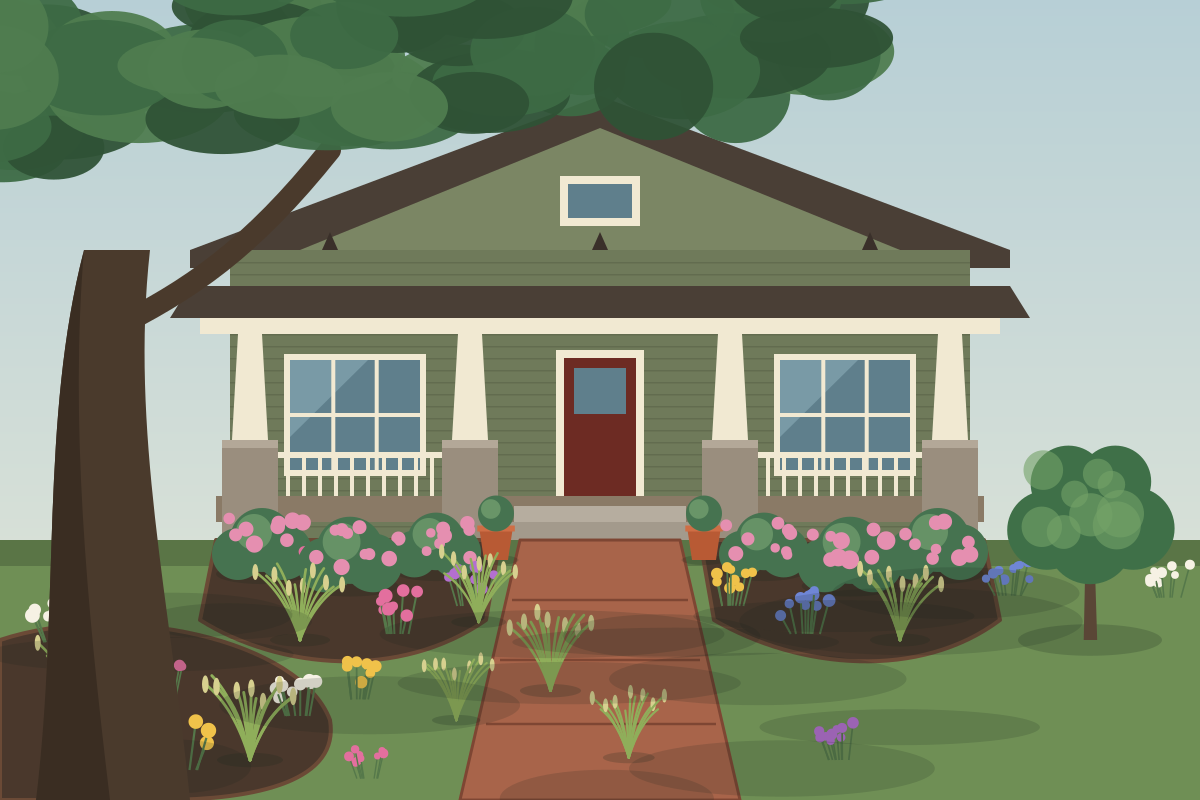
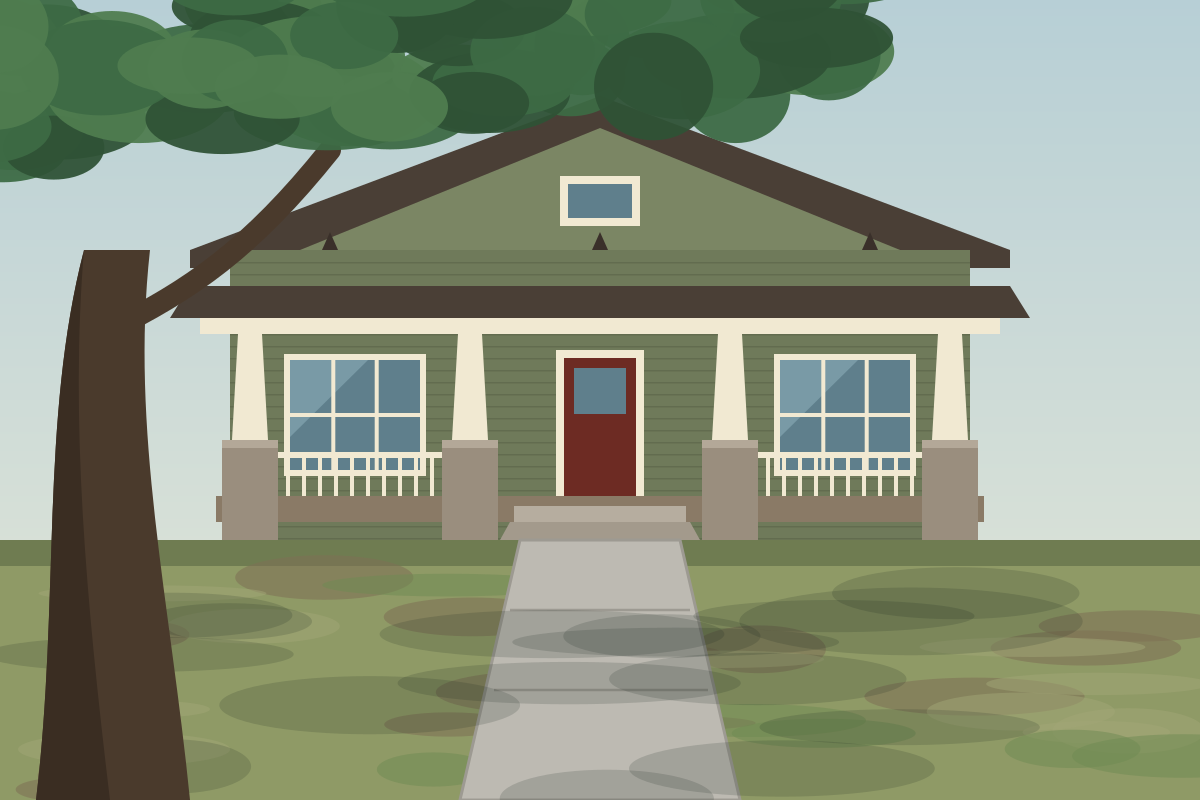 OriginalEnglish Cottage concept
Checking today's free renders…
2 · Tune the design
Units
USDA Zone 8b · Pacific NorthwestZIP 97214, OR, USA · winter low 15 to 20 °F
Area
Design style
Layered, overflowing borders with a long bloom sequence.
Sun exposure
Landscape plan & nursery list
English Cottage Garden Bed Plan
USDA Zone 8b · Pacific Northwest · ZIP 97214, OR, USA · 300 sq ft · Full Sun
- Plants
- 74
- Planting beds
- 300 sq ft
- DIY total
- $1,452
- Landscaper
- $3,425
Trees
—
This space is too small for a canopy tree — the shrub layer carries the height.
Shrubs
$104
Red-Flowering Currant
Ribes sanguineum
- Zone
- 6–9
- Size
- 8 × 6 ft
- Bloom
- Rose, March–April
- Water
- Low water
Native to your regionPet cautionDrought-tolerant1 × 3 gal
$36 each
$36
Glossy Abelia
Abelia × grandiflora
- Zone
- 6–10
- Size
- 5 × 5 ft
- Bloom
- Blush-white, May–October
- Water
- Low water
Regionally adaptedPet-safeDrought-tolerantDeer-resistant2 × 3 gal
$34 each
$68
Perennials
$520
Douglas Iris
Iris douglasiana
- Zone
- 7–10
- Size
- 1.5 × 2 ft
- Bloom
- Violet, March–May
- Water
- Low water
Native to your regionToxic to petsDrought-tolerantDeer-resistant13 × 1 gal
$15 each
$195
Seaside Daisy
Erigeron glaucus
- Zone
- 8–10
- Size
- 1 × 2 ft
- Bloom
- Lavender, April–August
- Water
- Low water
Native to your regionPet cautionDrought-tolerant13 × 1 gal
$13 each
$169
Western Yarrow
Achillea millefolium
- Zone
- 2–9
- Size
- 2 × 2 ft
- Bloom
- White, May–September
- Water
- Low water
Native to your regionToxic to petsDrought-tolerantDeer-resistant13 × 1 gal
$12 each
$156
Ornamental grasses
$126
California Fescue
Festuca californica
- Zone
- 7–10
- Size
- 2 × 2 ft
- Bloom
- Blue-green blades
- Water
- Low water
Native to your regionPet-safeDrought-tolerantDeer-resistant9 × 1 gal
$14 each
$126
Groundcovers
$161
Wild Strawberry
Fragaria virginiana
- Zone
- 2–9
- Size
- 5 in × 2 ft
- Bloom
- White, April–June
- Water
- Moderate water
Native to your regionPet-safe23 × quart
$7 each
$161
DIY vs. landscaper
| Item | DIY | Pro |
|---|---|---|
| Plants74 plants across 7 species | $911 | $1,184 |
| Soil & compost1.9 cu yd at 2 in deep | $80 | $148 |
| Mulch2.8 cu yd fine bark mulch | $106 | $238 |
| Edging80 linear ft steel edging | $260 | $600 |
| Pavers & hardscapeNone in this plan | $0 | $0 |
| LaborDIY: about 16 hours of your time | $0 | $888 |
| Delivery & tool rentalBulk material delivery | $95 | $0 |
| Design & overhead12% contractor overhead | $0 | $367 |
| Total | $1,452 | $3,425 |
Doing it yourself saves about $1,973 for roughly 16 hours of work.
Planting notes
- Best planting window for Zone 8b: october through march (fall planting is best). Typical last spring frost Mar 7 – Mar 28; first fall frost Nov 7 – Nov 28.
- Pacific Northwest: Mild, wet winters and dry summers under tall conifers. Expect 35–60 in / yr, mostly Oct–May.
- Work 2 in of compost into the top 6 in of soil, then mulch 3 in deep, keeping it off stems and trunks.
- Water deeply twice a week for the first 8 weeks, weekly through the first summer, then taper. Established natives need supplemental water only in drought.
Year-round interest calendar
Northern Hemisphere · 7 species · 74 plants
Lawn-replacement water & cost savings
vs. irrigated turfgrass
- Water saved / yr
- 5,903 gal
- Water bill saved / yr
- $44
- Share of turf irrigation cut
- 76%
(22,345 L)
at local average water rates
Planning estimate — confirm with your utility.
Curious how another style compares? See a side-by-side water & cost readout.
Zone estimated from your ZIP, postal code or city using the 2023 USDA map and equivalents. Plants marked pet-safe are not listed as toxic by the ASPCA and are recognized as non-toxic to dogs and cats; “pet caution” means unlisted or mildly irritating. Prices shown in USD are converted from mid-range US estimates — confirm stock and pricing with your nursery. Water-savings figures are climate-adjusted planning estimates benchmarked against a thirsty cool-season lawn; confirm current rates with your utility.
Blueprint, water savings & budget
How English Cottage allocates space, water and budget
Modeled on a 300 sq ft yard in Portland, OR (Zone 8b): 300 sq ft planted beds, 0 sq ft brick or cobble path, and 74 total plants across 7 species.
Itemized DIY vs. Landscaper Estimate (300 sq ft)
| Item | Spec | DIY | Pro |
|---|---|---|---|
| Plants | 74 plants across 7 species | $911 | $1,184 |
| Soil & compost | 1.9 cu yd at 2 in deep | $80 | $148 |
| Mulch | 2.8 cu yd fine bark mulch | $106 | $238 |
| Edging | 80 linear ft steel edging | $260 | $600 |
| Pavers & hardscape | None in this plan | $0 | $0 |
| Labor | DIY: about 16 hours of your time | $0 | $888 |
| Delivery & tool rental | Bulk material delivery | $95 | $0 |
| Design & overhead | 12% contractor overhead | $0 | $367 |
| Estimated total (DIY saves $1,973 · ~16 hrs) | $1,452 | $3,425 | |
Water-savings model
- Saved vs. irrigated turf
- 5,903 gal/yr
- Est. water bill savings
- $44/yr
(22,345 L / yr · ~76% reduction)
At mid-range US residential water rates
Understory bed proportions
- Shrubs
- 30%
- Perennials
- 45%
- Ornamental grasses
- 10%
- Groundcovers
- 15%
Increases planting bed coverage by 20% with 45% perennials and 30% flowering shrubs, threaded by classic brick or cobble paths and dressed in fine dark bark mulch.
Signature plant palette
Top English Cottage plants from the YardCraft catalog
Representative picks across all five structural layers. Enter your ZIP code or city in the studio above to narrow these to species hardy and native to your exact climate.
Trees
Japanese Maple
Acer palmatum
Zone 5–9 · 15 × 15 ft · Moderate water
Crimson foliage · Pet-safe
Native to East Asian Temperate, East Asian Subtropical
Autumn Brilliance Serviceberry
Amelanchier × grandiflora
Zone 4–9 · 20 × 15 ft · Moderate water
White, April
Native to Northeast Cold, Midwest Continental, Southeast Humid +2
Natchez Crape Myrtle
Lagerstroemia 'Natchez'
Zone 7–10 · 20 × 15 ft · Low water
White, June–September · Drought-tolerant · Pet-safe
Native to East Asian Temperate, East Asian Subtropical
Eastern Redbud
Cercis canadensis
Zone 4–9 · 25 × 25 ft · Moderate water
Magenta, March–April
Native to Northeast Cold, Midwest Continental, Southeast Humid
Shrubs
Arabian Jasmine
Jasminum sambac
Zone 10–12 · 5 × 4 ft · Moderate water
Fragrant white, year-round · Pet-safe
Native to Tropical & Subtropical Asia
Glossy Abelia
Abelia × grandiflora
Zone 6–10 · 5 × 5 ft · Low water
Blush-white, May–October · Drought-tolerant · Pet-safe
Native to East Asian Temperate, East Asian Subtropical
Jungle Flame Ixora
Ixora coccinea
Zone 10–12 · 4 × 4 ft · Moderate water
Scarlet clusters, year-round · Pet-safe
Native to Tropical & Subtropical Asia
Sasanqua Camellia
Camellia sasanqua
Zone 7–9 · 8 × 6 ft · Moderate water
Pink, October–December · Pet-safe
Native to East Asian Temperate, East Asian Subtropical
Perennials
Hidcote English Lavender
Lavandula angustifolia 'Hidcote'
Zone 5–9 · 2 × 2 ft · Low water
Deep violet, June–August · Drought-tolerant
Native to Mediterranean Europe
Western Yarrow
Achillea millefolium
Zone 2–9 · 2 × 2 ft · Low water
White, May–September · Drought-tolerant
Native to Coastal California, Pacific Northwest, Mountain West +6
Chinese Astilbe
Astilbe chinensis
Zone 4–8 · 2 × 2 ft · Regular water
Pink plumes, June–July · Pet-safe
Native to East Asian Temperate
Wild Bergamot
Monarda fistulosa
Zone 2–9 · 3 × 3 ft · Moderate water
Lavender, July–August · Drought-tolerant · Pet-safe
Native to Midwest Continental, Northeast Cold, Southeast Humid +1
Ornamental grasses
Orange New Zealand Sedge
Carex testacea
Zone 6–9 · 1.5 × 2 ft · Low water
Copper evergreen · Drought-tolerant · Pet-safe
Native to New Zealand Oceanic
Korean Feather Reed Grass
Calamagrostis brachytricha
Zone 4–9 · 4 × 3 ft · Moderate water
Rose-silver plumes, fall · Pet-safe
Native to East Asian Temperate, East Asian Subtropical
Karl Foerster Feather Reed Grass
Calamagrostis × acutiflora 'Karl Foerster'
Zone 4–9 · 5 × 2 ft · Moderate water
Wheat plumes, June · Pet-safe
Adapted to Northeast Cold, Midwest Continental, Mountain West
Groundcovers
Creeping Thyme
Thymus serpyllum
Zone 4–9 · 3 in × 1.5 ft · Low water
Mauve, June–July · Drought-tolerant · Pet-safe
Native to UK & Atlantic Temperate, Western & Central Europe Temperate, Northern Europe
Wild Strawberry
Fragaria virginiana
Zone 2–9 · 5 in × 2 ft · Moderate water
White, April–June · Pet-safe
Native to Northeast Cold, Midwest Continental, Mountain West +2
Moss Phlox
Phlox subulata
Zone 2–9 · 6 in × 2 ft · Moderate water
Pink, April–May · Drought-tolerant · Pet-safe
Native to Northeast Cold, Midwest Continental, Southeast Humid
Green-and-Gold
Chrysogonum virginianum
Zone 5–9 · 6 in × 1.5 ft · Moderate water
Gold, April–June
Native to Southeast Humid, Northeast Cold
Site fit & care
Where English Cottage works best
Front walks, porch entries, fenced backyards and temperate gardens where abundant fragrance, cut flowers, and lush, spilling borders take center stage.
Top climate regions for this style
Maintenance notes
Seasonal care checklist
- 01Deadhead repeat-blooming perennials such as catmint, salvia, yarrow and coneflower after the first flush to trigger a second wave of summer flowers.
- 02Stake tall border perennials early in spring using discreet brushwood or metal hoops before stems flop under summer rain.
- 03Top-dress beds with 2 inches of well-rotted compost each autumn to feed heavy-blooming cottage borders without synthetic fertilizer.
- 04Divide crowded perennial clumps every 3–4 years in early spring or autumn to keep blooms vigorous and expand your borders for free.
Questions
English Cottage landscaping FAQ
What are the signature elements of English cottage garden design?
Dense, multi-layered planting with very little bare soil showing, informal curved brick or gravel paths, climbing or mounding fragrance near doors, and a continuous relay of bloom from spring bulbs through autumn asters.
Can I grow an English cottage garden in a hot or dry climate?
Yes—swap thirsty traditional cottage staples for regional equivalents with the same soft texture. Enter a warm or dry ZIP code or city in the studio and YardCraft automatically picks tough stand-ins like Russian sage, lavender, gaura and native salvias.
How do I keep a cottage garden from looking chaotic?
Anchor the border with evergreen shrubs (about 30% of bed area) and repeat 2–3 unifying foliage colors or flower forms down the length of the path so the eye reads abundance as cohesion.
How much maintenance does an English cottage garden require?
Expect roughly 30–60 minutes a week during peak spring and summer for deadheading and light trimming, or tick the Low Maintenance filter in the studio to favor self-cleaning perennials and compact shrubs.