Xeriscape design
Xeriscape design built around rainfall, not irrigation.
Replace thirsty turf with gravel mulch, structural boulders and deep-rooted native perennials that survive summer drought. Pre-loaded in the studio with water-savings and nursery pricing.
- 52
- catalog plants for this style
- $2,168
- sample 900 sq ft DIY
- 9,447 gal/yr
- estimated water saved (~40%)
- Decomposed granite
- signature ground finish
Design a Low-Water Xeriscape yard for your climate
The studio below is pre-configured for Low-Water Xeriscape using Tucson, AZ (Zone 9b) as an example. Replace the location with your ZIP code, postal code or city to rebuild the plant list, spacing and budget for your zone.
1 · Pick a yard
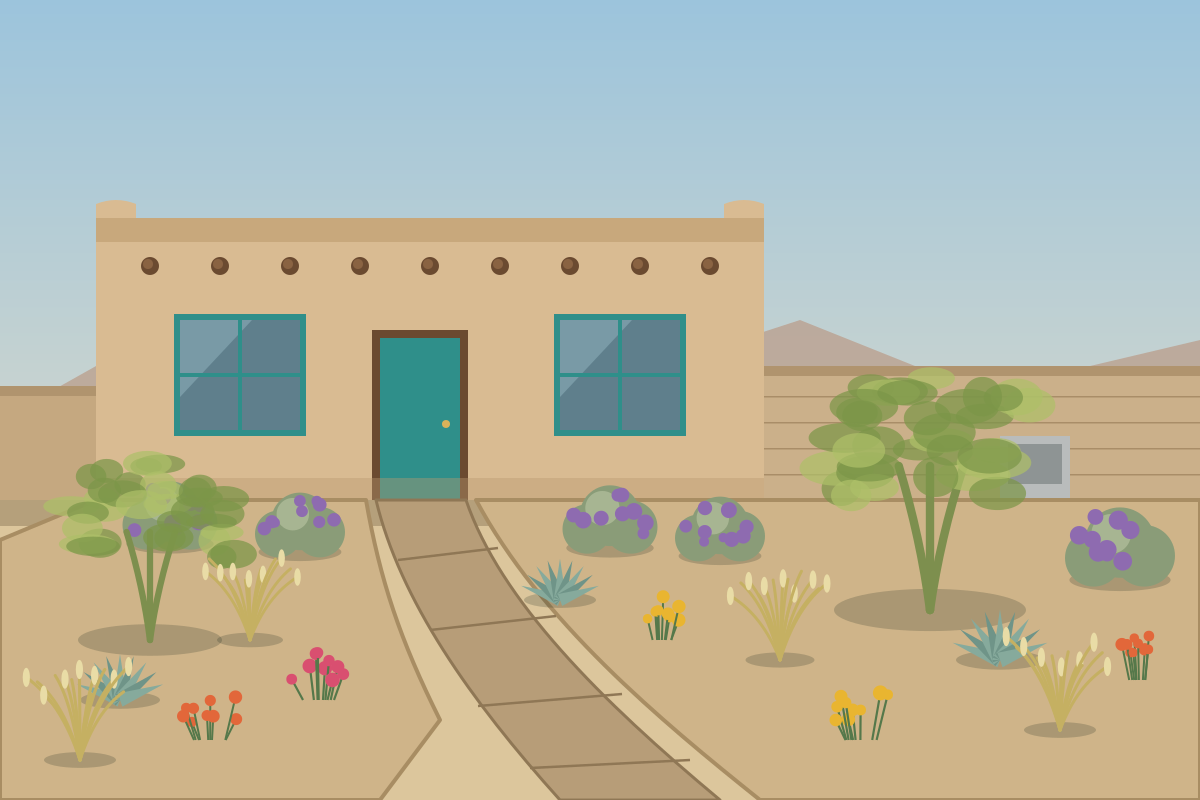
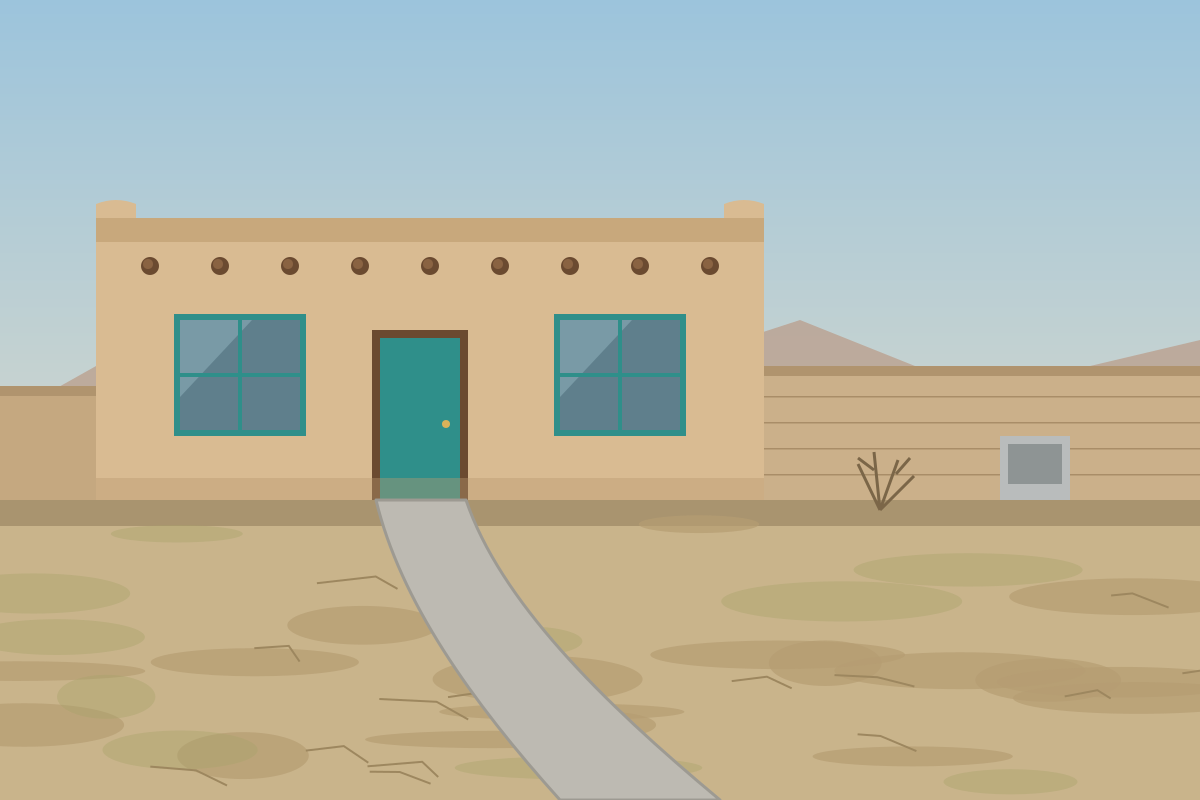 OriginalLow-Water Xeriscape concept
Checking today's free renders…
2 · Tune the design
Units
USDA Zone 9b · Southwest AridZIP 85718, AZ, USA · winter low 25 to 30 °F
Area
Design style
Gravel mulch, boulders, and plants that live on rainfall.
Sun exposure
Landscape plan & nursery list
Low-Water Xeriscape Front Yard Plan
USDA Zone 9b · Southwest Arid · ZIP 85718, AZ, USA · 900 sq ft · Full Sun
- Plants
- 63
- Planting beds
- 351 sq ft
- DIY total
- $2,168
- Landscaper
- $5,347
Trees
$110
Desert Willow
Chilopsis linearis
- Zone
- 7–11
- Size
- 20 × 15 ft
- Bloom
- Pink, May–September
- Water
- Low water
Native to your regionPet cautionDrought-tolerantDeer-resistant1 × 15 gal
$110 each
$110
Shrubs
$124
Texas Sage
Leucophyllum frutescens
- Zone
- 8–11
- Size
- 5 × 5 ft
- Bloom
- Violet, summer after rain
- Water
- Low water
Native to your regionPet-safeDrought-tolerantDeer-resistant2 × 3 gal
$30 each
$60
Apache Plume
Fallugia paradoxa
- Zone
- 4–9
- Size
- 5 × 5 ft
- Bloom
- White, May–September
- Water
- Low water
Native to your regionPet cautionDrought-tolerantDeer-resistant2 × 3 gal
$32 each
$64
Perennials
$402
Autumn Sage
Salvia greggii
- Zone
- 7–10
- Size
- 3 × 3 ft
- Bloom
- Red, March–November
- Water
- Low water
Native to your regionPet-safeDrought-tolerantDeer-resistant5 × 1 gal
$16 each
$80
Sunset Hyssop
Agastache rupestris
- Zone
- 5–9
- Size
- 2.5 × 1.5 ft
- Bloom
- Coral, July–October
- Water
- Low water
Native to your regionPet-safeDrought-tolerantDeer-resistant15 × 1 gal
$14 each
$210
Parry's Penstemon
Penstemon parryi
- Zone
- 8–10
- Size
- 3 × 2 ft
- Bloom
- Hot pink, February–April
- Water
- Low water
Native to your regionPet-safeDrought-tolerant8 × 1 gal
$14 each
$112
Ornamental grasses
$138
Blonde Ambition Blue Grama
Bouteloua gracilis 'Blonde Ambition'
- Zone
- 4–9
- Size
- 2.5 × 2.5 ft
- Bloom
- Chartreuse flags, July–October
- Water
- Low water
Native to your regionPet-safeDrought-tolerantDeer-resistant6 × 1 gal
$15 each
$90
Deer Grass
Muhlenbergia rigens
- Zone
- 6–10
- Size
- 4 × 4 ft
- Bloom
- Tan wands, summer
- Water
- Low water
Native to your regionPet-safeDrought-tolerantDeer-resistant3 × 1 gal
$16 each
$48
Groundcovers
$238
Damianita
Chrysactinia mexicana
- Zone
- 7–10
- Size
- 1.5 × 2 ft
- Bloom
- Gold, April–September
- Water
- Low water
Native to your regionPet cautionDrought-tolerantDeer-resistant13 × quart
$14 each
$182
Frogfruit
Phyla nodiflora
- Zone
- 7–11
- Size
- 3 in × 3 ft
- Bloom
- White, May–October
- Water
- Low water
Native to your regionPet cautionDrought-tolerant8 × quart
$7 each
$56
DIY vs. landscaper
| Item | DIY | Pro |
|---|---|---|
| Plants63 plants across 10 species | $1,012 | $1,316 |
| Soil & compost2.2 cu yd at 2 in deep | $92 | $172 |
| Decomposed granite & gravel2.2 cu yd decomposed granite | $136 | $264 |
| Edging86 linear ft steel edging | $280 | $645 |
| Pavers & hardscape65 sq ft flagstone on compacted base | $488 | $1,365 |
| LaborDIY: about 33 hours of your time | $0 | $1,012 |
| Delivery & tool rentalBulk delivery plus plate compactor | $160 | $0 |
| Design & overhead12% contractor overhead | $0 | $573 |
| Total | $2,168 | $5,347 |
Doing it yourself saves about $3,179 for roughly 33 hours of work.
Planting notes
- Best planting window for Zone 9b: october through february. Typical last spring frost Feb 6 – Feb 28; first fall frost Nov 25 – Dec 13.
- Southwest Arid: Intense sun, alkaline soil, and long dry stretches broken by monsoon rain. Expect 4–18 in / yr.
- Spread decomposed granite 2 in deep over bare soil — skip landscape fabric so natives can self-seed.
- Water deeply twice a week for the first 8 weeks, weekly through the first summer, then taper. Established natives need supplemental water only in drought.
Year-round interest calendar
Northern Hemisphere · 10 species · 63 plants
December–January is bare (Northern Hemisphere winter). Add an evergreen anchor or winter-interest shrub — e.g. inkberry holly, boxwood, or hellebore — to carry the view.
Lawn-replacement water & cost savings
vs. irrigated turfgrass
- Water saved / yr
- 9,447 gal
- Water bill saved / yr
- $71
- Share of turf irrigation cut
- 40%
(35,761 L)
at local average water rates
Planning estimate — confirm with your utility.
Curious how another style compares? See a side-by-side water & cost readout.
Zone estimated from your ZIP, postal code or city using the 2023 USDA map and equivalents. Plants marked pet-safe are not listed as toxic by the ASPCA and are recognized as non-toxic to dogs and cats; “pet caution” means unlisted or mildly irritating. Prices shown in USD are converted from mid-range US estimates — confirm stock and pricing with your nursery. Water-savings figures are climate-adjusted planning estimates benchmarked against a thirsty cool-season lawn; confirm current rates with your utility.
Blueprint, water savings & budget
How Low-Water Xeriscape allocates space, water and budget
Modeled on a 900 sq ft yard in Tucson, AZ (Zone 9b): 351 sq ft planted beds, 65 sq ft flagstone on compacted base, and 63 total plants across 10 species.
Itemized DIY vs. Landscaper Estimate (900 sq ft)
| Item | Spec | DIY | Pro |
|---|---|---|---|
| Plants | 63 plants across 10 species | $1,012 | $1,316 |
| Soil & compost | 2.2 cu yd at 2 in deep | $92 | $172 |
| Decomposed granite & gravel | 2.2 cu yd decomposed granite | $136 | $264 |
| Edging | 86 linear ft steel edging | $280 | $645 |
| Pavers & hardscape | 65 sq ft flagstone on compacted base | $488 | $1,365 |
| Labor | DIY: about 33 hours of your time | $0 | $1,012 |
| Delivery & tool rental | Bulk delivery plus plate compactor | $160 | $0 |
| Design & overhead | 12% contractor overhead | $0 | $573 |
| Estimated total (DIY saves $3,179 · ~33 hrs) | $2,168 | $5,347 | |
Water-savings model
- Saved vs. irrigated turf
- 9,447 gal/yr
- Est. water bill savings
- $71/yr
(35,761 L / yr · ~40% reduction)
At mid-range US residential water rates
Understory bed proportions
- Shrubs
- 30%
- Perennials
- 25%
- Ornamental grasses
- 20%
- Groundcovers
- 25%
Expands planting beds 30% over baseline and replaces bark mulch with 2 in of decomposed granite over bare soil—never plastic fabric—paired with compacted flagstone walkways that capture rainwater runoff.
Signature plant palette
Top Low-Water Xeriscape plants from the YardCraft catalog
Representative picks across all five structural layers. Enter your ZIP code or city in the studio above to narrow these to species hardy and native to your exact climate.
Trees
Swan Hill Fruitless Olive
Olea europaea 'Swan Hill'
Zone 8–11 · 25 × 20 ft · Low water
Insignificant · Drought-tolerant · Pet-safe
Native to Mediterranean Europe
Western Redbud
Cercis occidentalis
Zone 6–9 · 15 × 12 ft · Low water
Magenta, March–April · Drought-tolerant
Native to Coastal California, Southwest Arid
Desert Museum Palo Verde
Parkinsonia × 'Desert Museum'
Zone 8–11 · 25 × 25 ft · Low water
Yellow, April–June · Drought-tolerant
Native to Southwest Arid
Desert Willow
Chilopsis linearis
Zone 7–11 · 20 × 15 ft · Low water
Pink, May–September · Drought-tolerant
Native to Southwest Arid
Shrubs
Ponytail Palm
Beaucarnea recurvata
Zone 9–12 · 10 × 6 ft · Low water
Sculptural caudex & cascading leaves · Drought-tolerant · Pet-safe
Native to Latin America Tropical & Subtropical
Dwarf Mugo Pine
Pinus mugo 'Pumilio'
Zone 2–7 · 4 × 6 ft · Low water
Evergreen · Drought-tolerant
Native to Western & Central Europe Temperate
Upright Rosemary
Salvia rosmarinus
Zone 8–11 · 4 × 4 ft · Low water
Blue, winter–spring · Drought-tolerant · Pet-safe
Native to Mediterranean Europe
New Jersey Tea
Ceanothus americanus
Zone 4–8 · 3 × 4 ft · Low water
White, June–July · Drought-tolerant
Native to Midwest Continental, Northeast Cold, Southeast Humid
Perennials
Hidcote English Lavender
Lavandula angustifolia 'Hidcote'
Zone 5–9 · 2 × 2 ft · Low water
Deep violet, June–August · Drought-tolerant
Native to Mediterranean Europe
Western Yarrow
Achillea millefolium
Zone 2–9 · 2 × 2 ft · Low water
White, May–September · Drought-tolerant
Native to Coastal California, Pacific Northwest, Mountain West +6
Butterfly Milkweed
Asclepias tuberosa
Zone 3–9 · 2 × 1.5 ft · Low water
Orange, June–August · Drought-tolerant
Native to Midwest Continental, Northeast Cold, Southeast Humid +1
Blanket Flower
Gaillardia aristata
Zone 3–9 · 2 × 2 ft · Low water
Red and gold, June–September · Drought-tolerant
Native to Mountain West, Midwest Continental, Southwest Arid
Ornamental grasses
Little Bluestem
Schizachyrium scoparium
Zone 3–9 · 3 × 2 ft · Low water
Copper fall color · Drought-tolerant · Pet-safe
Native to Midwest Continental, Northeast Cold, Southeast Humid +2
Vetiver Grass
Chrysopogon zizanioides
Zone 9–12 · 5 × 3 ft · Low water
Upright fragrant clumps · Drought-tolerant · Pet-safe
Native to Tropical & Subtropical Asia
Blonde Ambition Blue Grama
Bouteloua gracilis 'Blonde Ambition'
Zone 4–9 · 2.5 × 2.5 ft · Low water
Chartreuse flags, July–October · Drought-tolerant · Pet-safe
Native to Mountain West, Southwest Arid, Midwest Continental
Deer Grass
Muhlenbergia rigens
Zone 6–10 · 4 × 4 ft · Low water
Tan wands, summer · Drought-tolerant · Pet-safe
Native to Coastal California, Southwest Arid
Groundcovers
Creeping Thyme
Thymus serpyllum
Zone 4–9 · 3 in × 1.5 ft · Low water
Mauve, June–July · Drought-tolerant · Pet-safe
Native to UK & Atlantic Temperate, Western & Central Europe Temperate, Northern Europe
Kinnikinnick
Arctostaphylos uva-ursi
Zone 2–7 · 6 in × 4 ft · Low water
Pink, April–May · Drought-tolerant
Native to Pacific Northwest, Mountain West, Northeast Cold +3
Mexican Snowball
Echeveria elegans
Zone 9–12 · 6 in × 1.5 ft · Low water
Blue-green succulent rosettes · Drought-tolerant · Pet-safe
Native to Latin America Tropical & Subtropical
Perennial Peanut
Arachis glabrata
Zone 9–12 · 8 in × 3 ft · Low water
Golden blooms, year-round · Drought-tolerant · Pet-safe
Native to Latin America Tropical & Subtropical
Site fit & care
Where Low-Water Xeriscape works best
Arid, semi-arid and summer-dry yards looking to eliminate turf watering, cut utility bills, and qualify for municipal turf-removal rebates without sacrificing color or seasonal blooms.
Top climate regions for this style
Maintenance notes
Seasonal care checklist
- 01Water deeply at the root zone twice weekly for the first 8 weeks, then taper to monthly soakings during peak summer heat once established.
- 02Skip landscape fabric under decomposed granite so organic matter can enrich the soil and native wildflowers can self-seed.
- 03Cut back warm-season ornamental grasses and woody sages by one-third in late winter just before new basal growth appears.
- 04Top-dress gravel mulch lightly every 3–4 years and leave winter seedheads standing for desert songbirds.
Questions
Low-Water Xeriscape landscaping FAQ
What makes a true xeriscape design different from a rock yard?
Good xeriscape design isn't bare gravel with two cactuses. It groups climate-adapted trees, flowering shrubs, ornamental grasses and groundcovers into hydrozones spaced to cover the soil, reducing heat reflection while cutting irrigation by 50–80% compared to lawn.
How much water does xeriscape landscaping actually save?
Replacing irrigated cool-season turf (roughly 26 gallons per sq ft per year) with low-water xeriscape beds and flagstone reduces irrigation demand by over 80% in the converted footprint. YardCraft calculates your exact annual gallon and dollar savings automatically.
Can I build a xeriscape garden in cold or humid climates?
Yes. Xeriscape simply means designing for your local rainfall. Enter a cold-climate ZIP code (Zones 4–6) and YardCraft swaps desert agaves for cold-hardy prairie grasses, yarrow, Russian sage, sedum and native junipers.
How much does a xeriscape yard cost to install?
DIY xeriscape conversions typically cost less than half of contractor quotes because decomposed granite, flagstone and 1-gallon drought-tolerant natives are straightforward to install in phases. Use the studio below for an itemized line-by-line estimate.